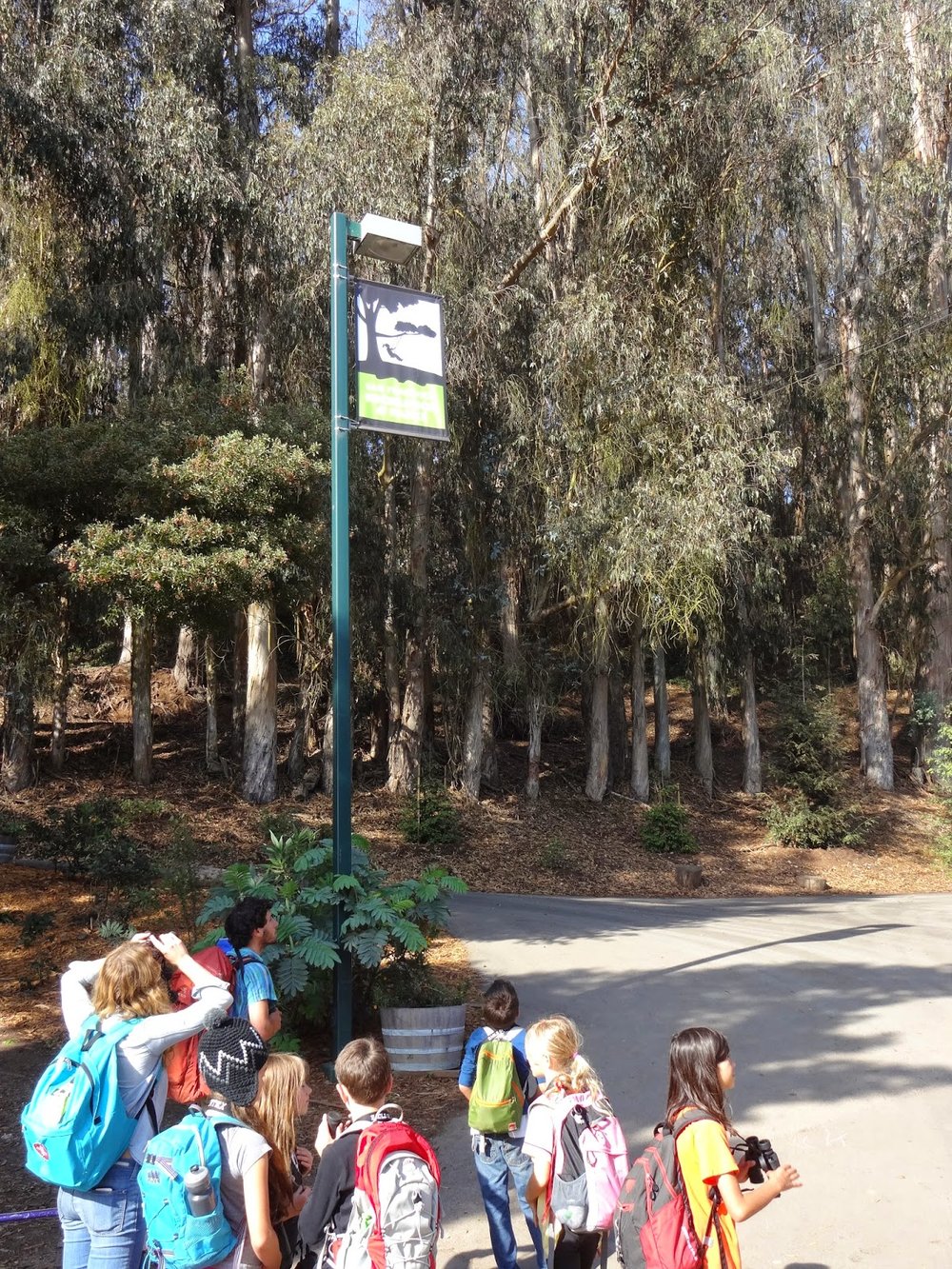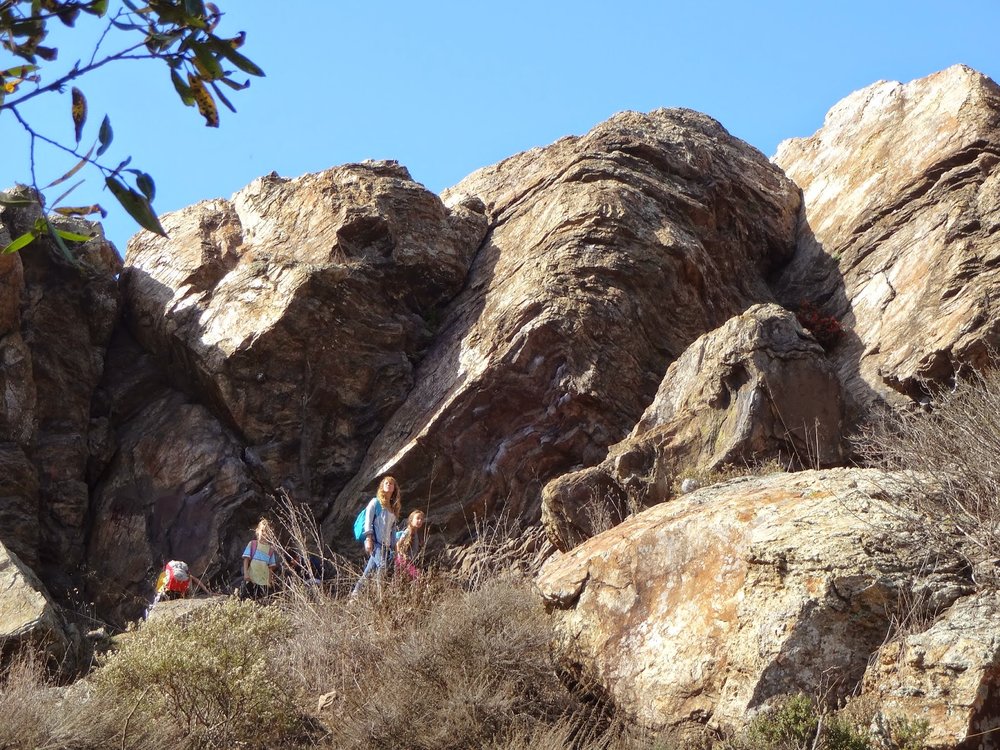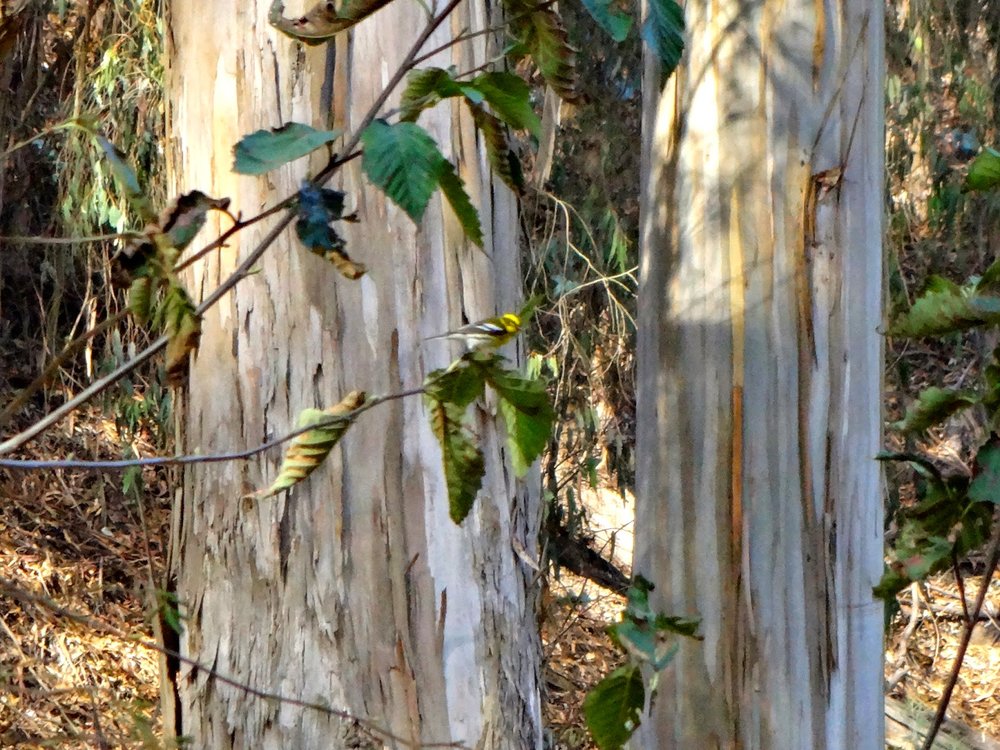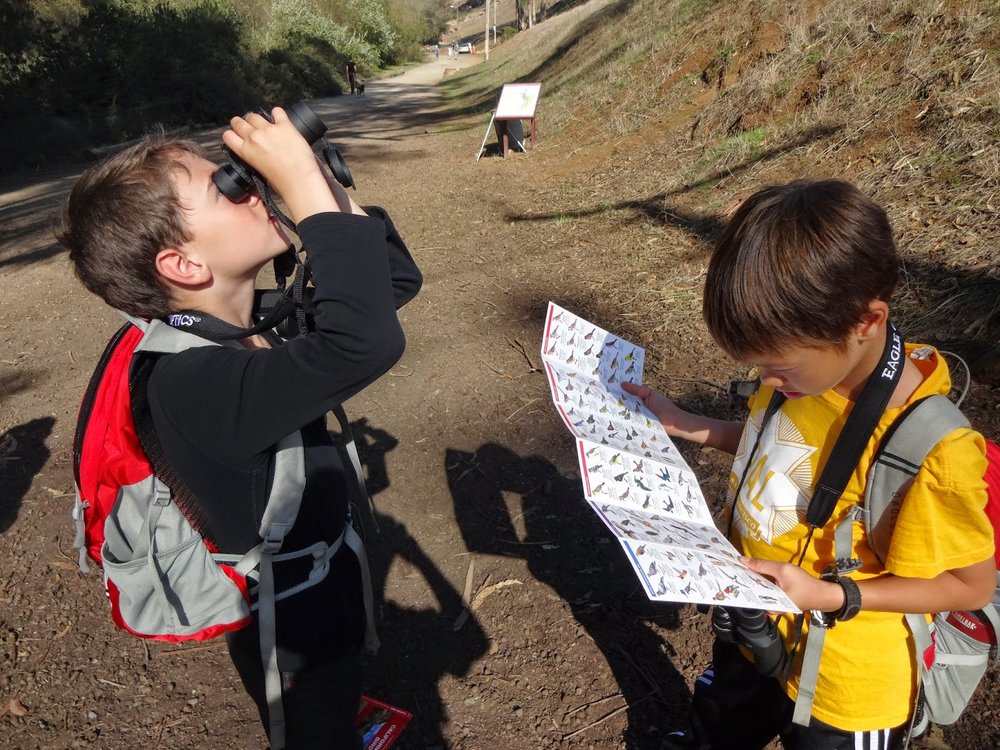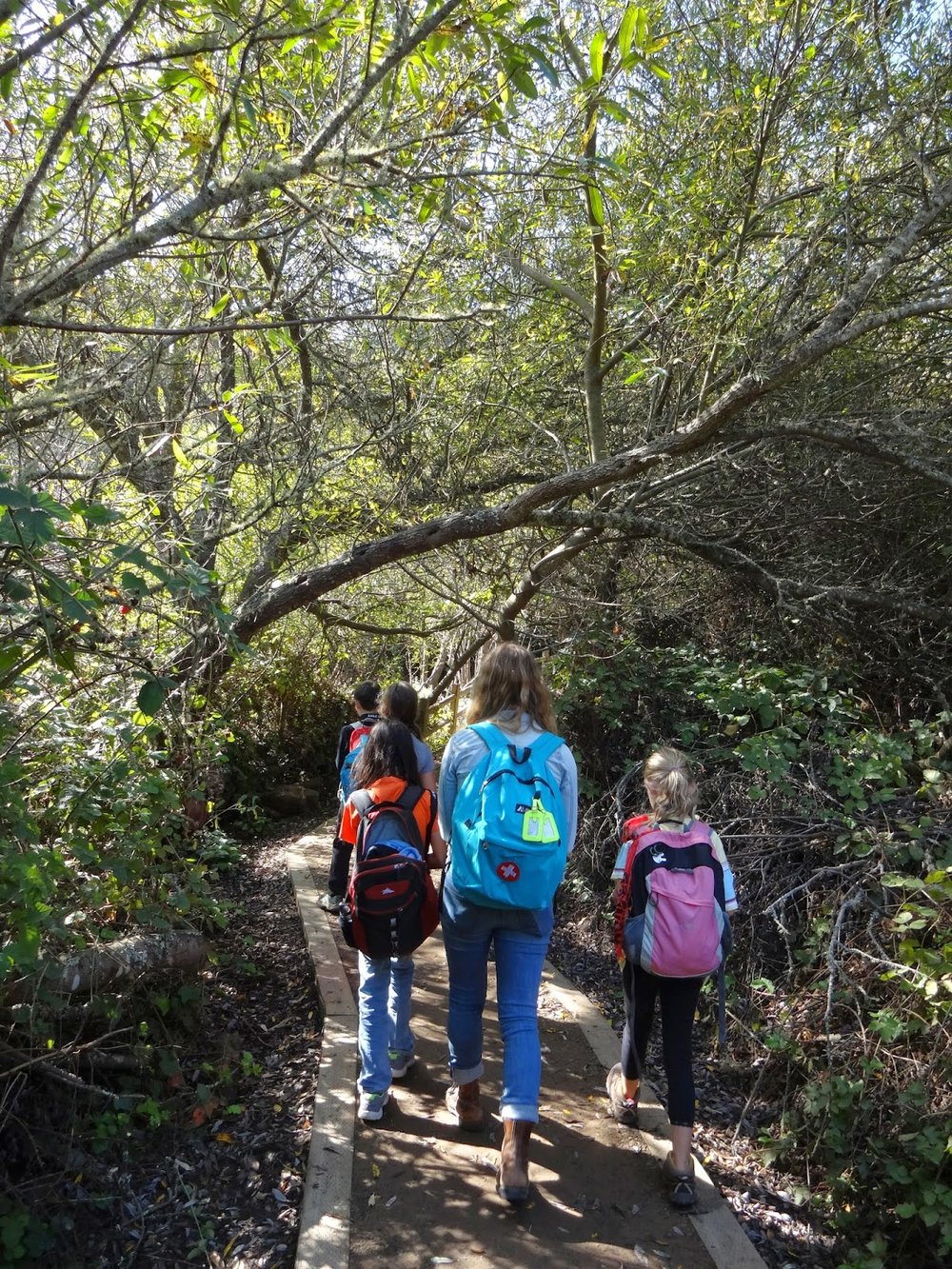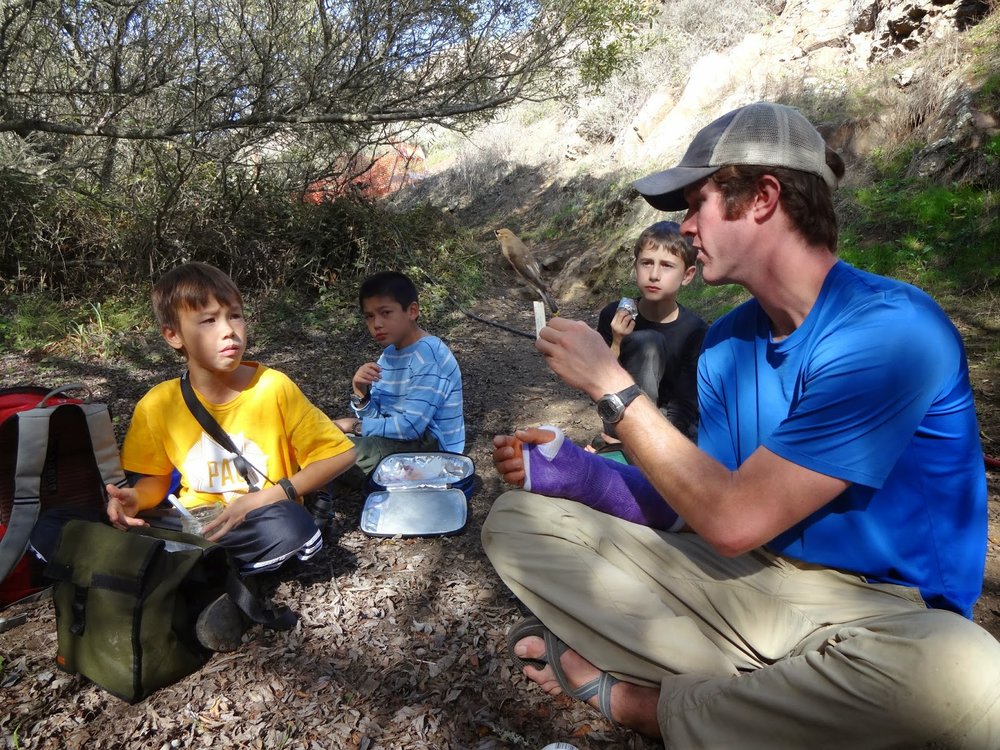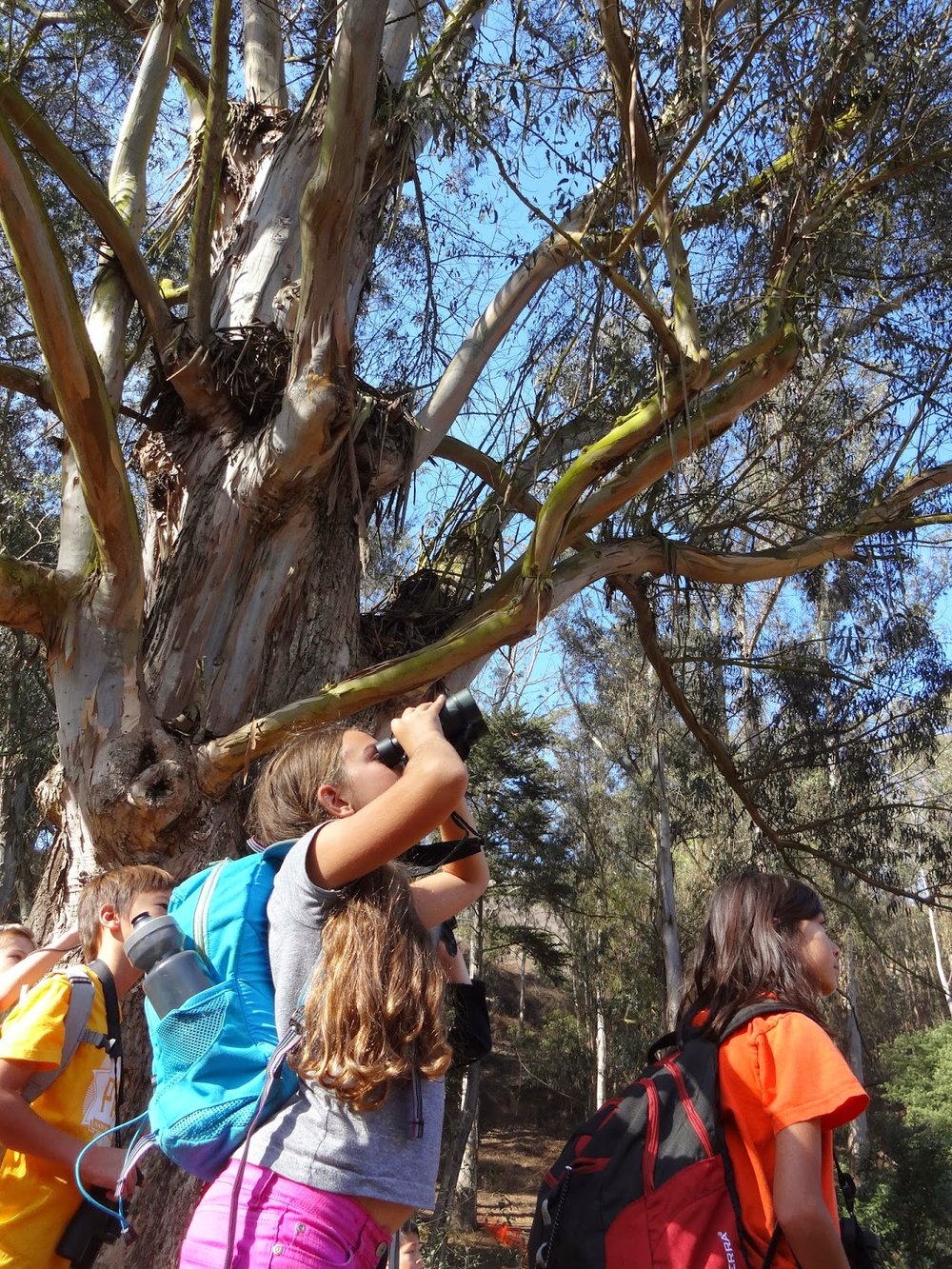

After a very full and exciting week in the bay area, we have arrived in our hometown of Santa Cruz! On our way here, we made a stop to see our dear friend and fellow outdoor educator-- Devin "The El Camino" Peyton. He is working as a resident outdoor instructor for Vida Verde Nature Education. This is one of the coolest outdoor education centers we have seen. They provide three-day nature experiences for inner-city students in the bay area. And the best part is--they offer it all completely free of charge!!! Check out their website and support them if you can, we are 100% behind the work they do. http://www.vveducation.org
We will be teaching here in Santa Cruz for the week before continuing south. Now that we have had the weekend to travel and organize our things, we think it is time to formally introduce our traveling companions--the birds.
Now, to the untrained eye, people may describe our bird specimens as "creepy," "gross" or "yucky." These are common words we hear from students when they meet the birds. But once kids get to know these birds, they regard them with love and wonder. We think it is important to give them some good spotlight and tell their story so you all might feel the same about them.
These birds are on loan from our teacher and mentor Chris Lay at the UCSC Museum of Natural History Collections. Chris is a major advocate for natural history education and in addition to inspiring us into this field, he has sparked the natural history flame in hundreds of students. He just received a two million dollar grant to create the Ken S. Norris Center for Natural History. Check out the article about it here.
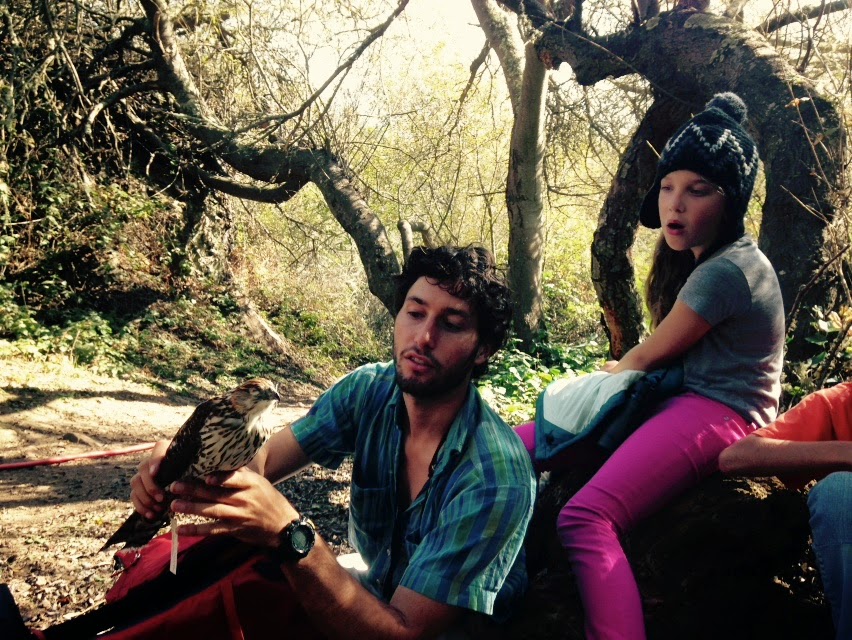
We have four birds traveling with us. José the House Finch, Coop the Cooper's Hawk, Robin the American Robin, and Cedar the Cedar Waxwing. The birds spend most of their time in protective PVC tubes but when it comes time to work with students, they come out for guest appearances. The birds become instant friends of the kids'. The birds help students see the differences in body size, bill type, and colors. They might look "scary" at first, but give them a chance! They died years ago and provide so many opportunities for learning and inspiration in the students we work with.
We will be teaching here in Santa Cruz for the week before continuing south. Now that we have had the weekend to travel and organize our things, we think it is time to formally introduce our traveling companions--the birds.
Now, to the untrained eye, people may describe our bird specimens as "creepy," "gross" or "yucky." These are common words we hear from students when they meet the birds. But once kids get to know these birds, they regard them with love and wonder. We think it is important to give them some good spotlight and tell their story so you all might feel the same about them.
These birds are on loan from our teacher and mentor Chris Lay at the UCSC Museum of Natural History Collections. Chris is a major advocate for natural history education and in addition to inspiring us into this field, he has sparked the natural history flame in hundreds of students. He just received a two million dollar grant to create the Ken S. Norris Center for Natural History. Check out the article about it here.
We have four birds traveling with us. José the House Finch, Coop the Cooper's Hawk, Robin the American Robin, and Cedar the Cedar Waxwing. The birds spend most of their time in protective PVC tubes but when it comes time to work with students, they come out for guest appearances. The birds become instant friends of the kids'. The birds help students see the differences in body size, bill type, and colors. They might look "scary" at first, but give them a chance! They died years ago and provide so many opportunities for learning and inspiration in the students we work with.
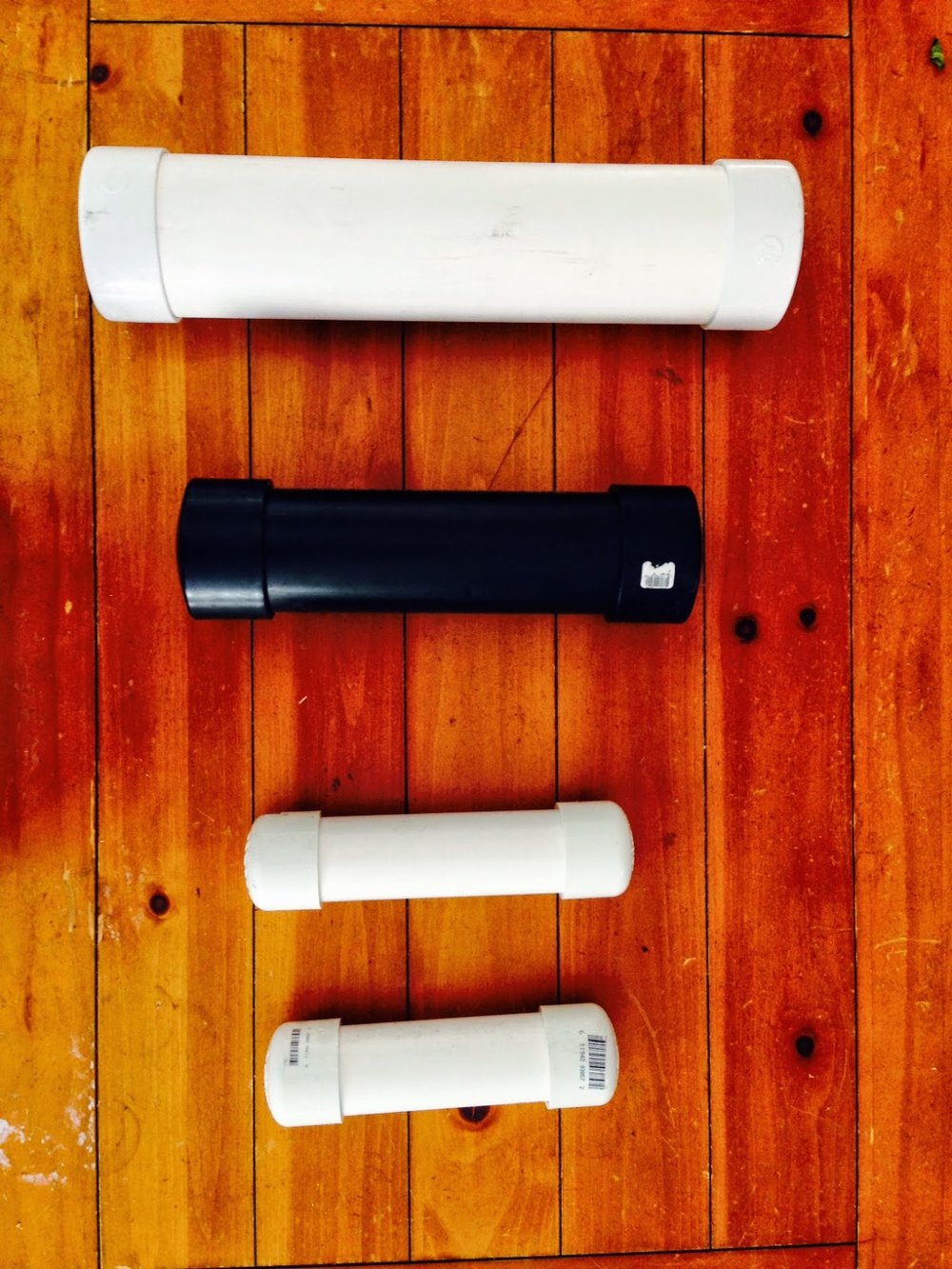 |
| We carry our friends in protective tubes! Originally meant for bike travel, the tubes still help to keep our friends safe |
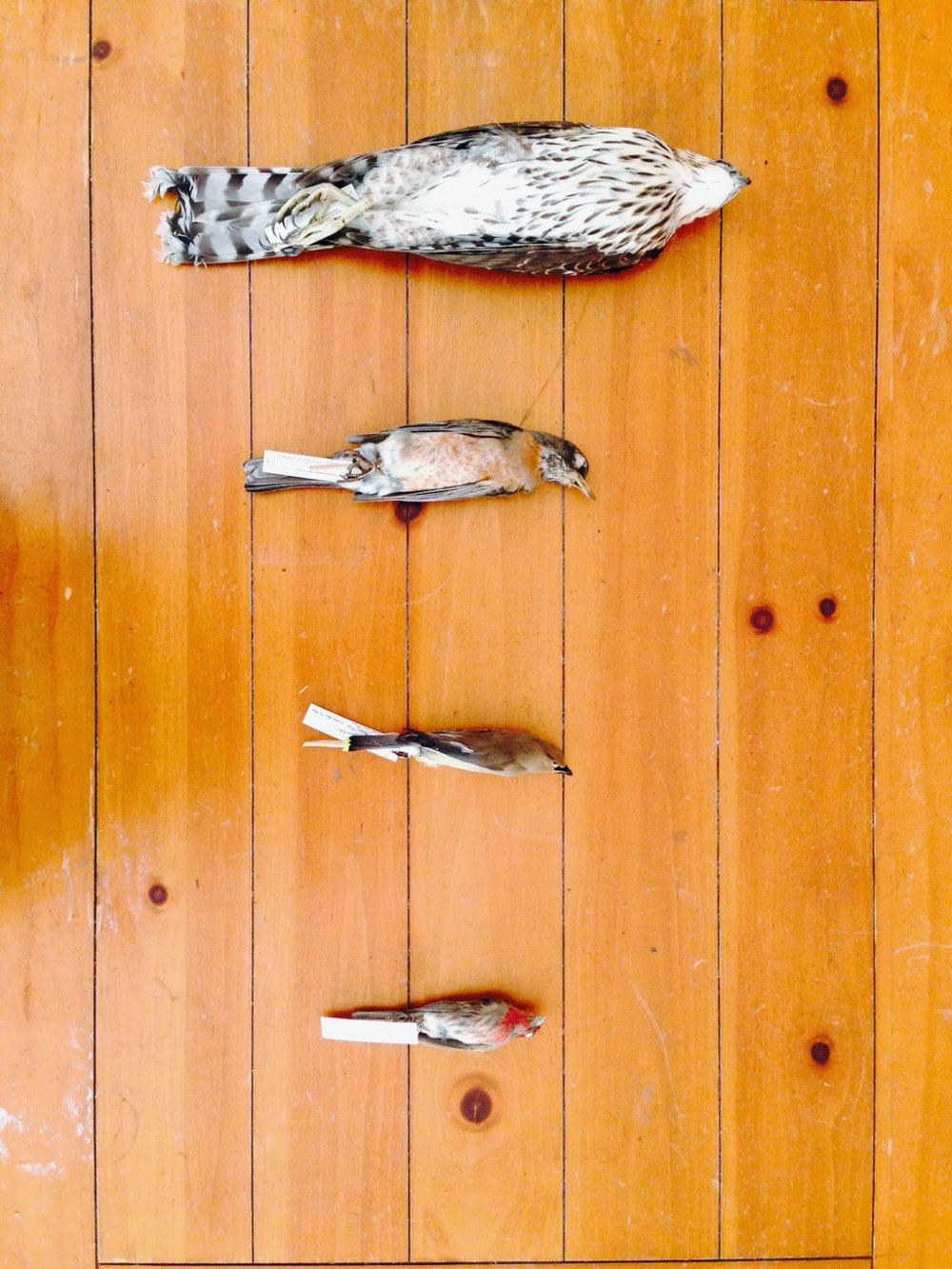 |
| Here are our friends out of their protective homes |
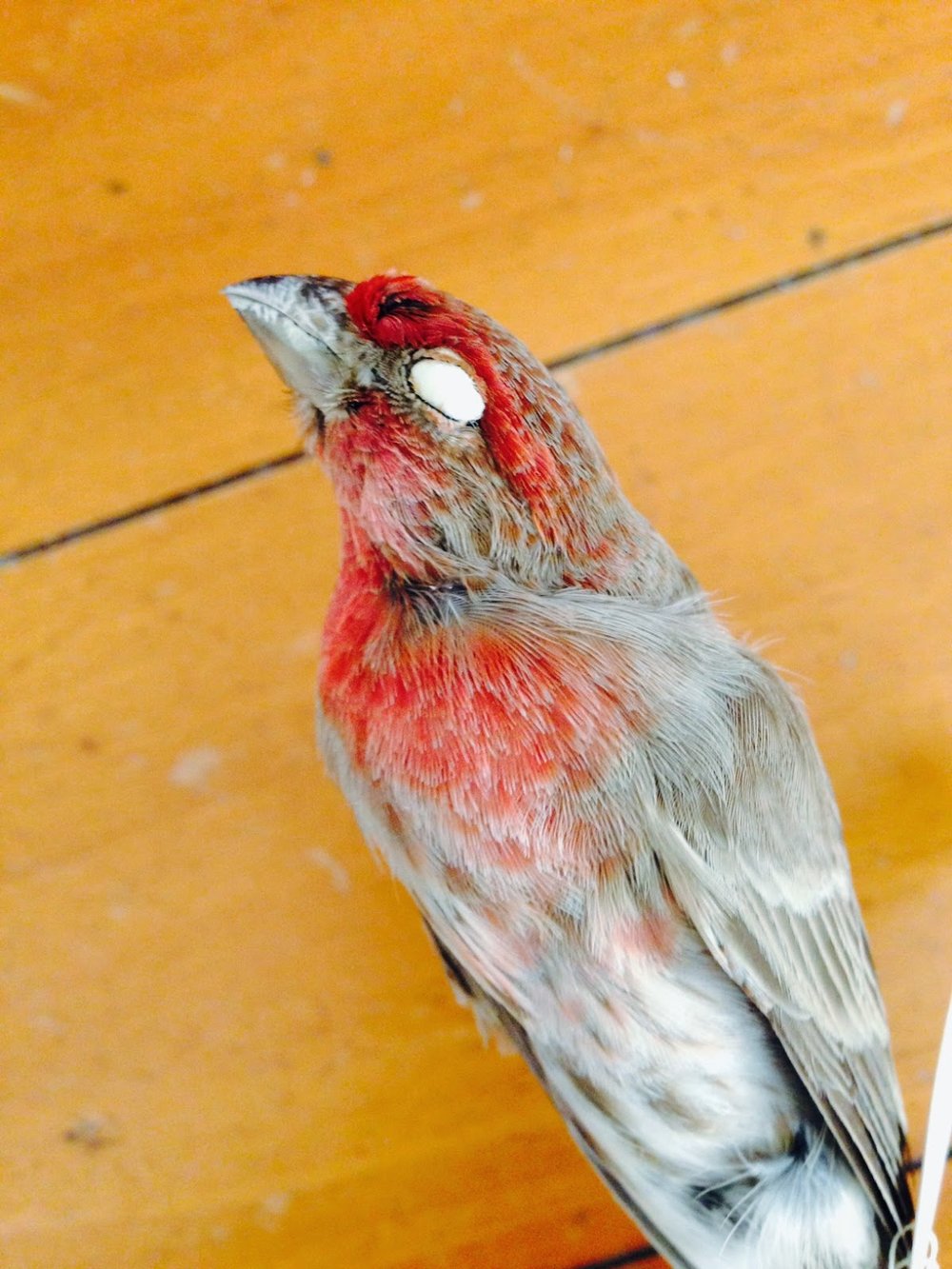 |
| Check out José's bill--meant for crushing nuts and seeds |
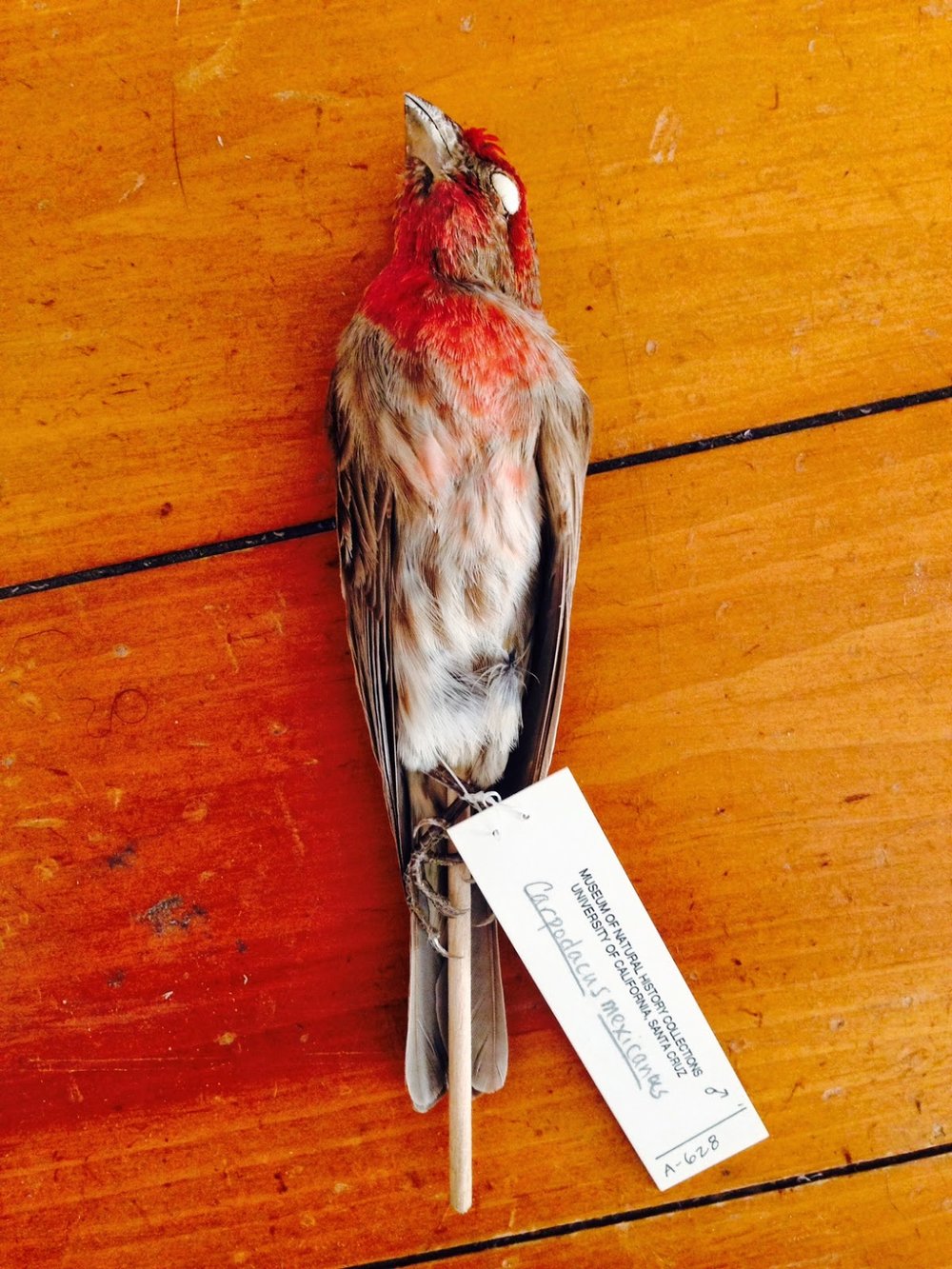 |
| The House Finch Our smallest yet most brightly colored bird. |
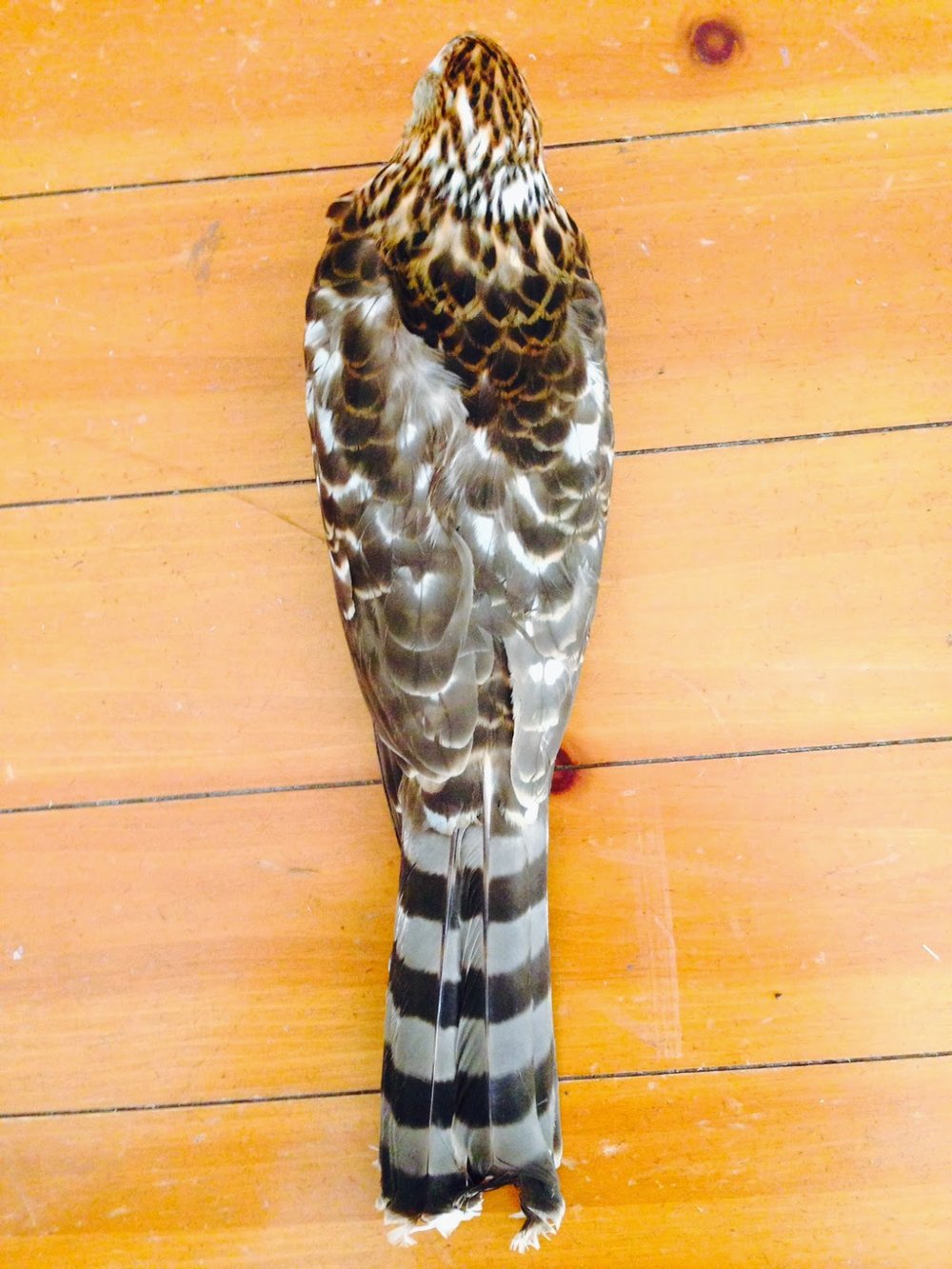 |
| Coop is a female Cooper's Hawk Check out the bands on her tail! She likes to eat smaller birds |
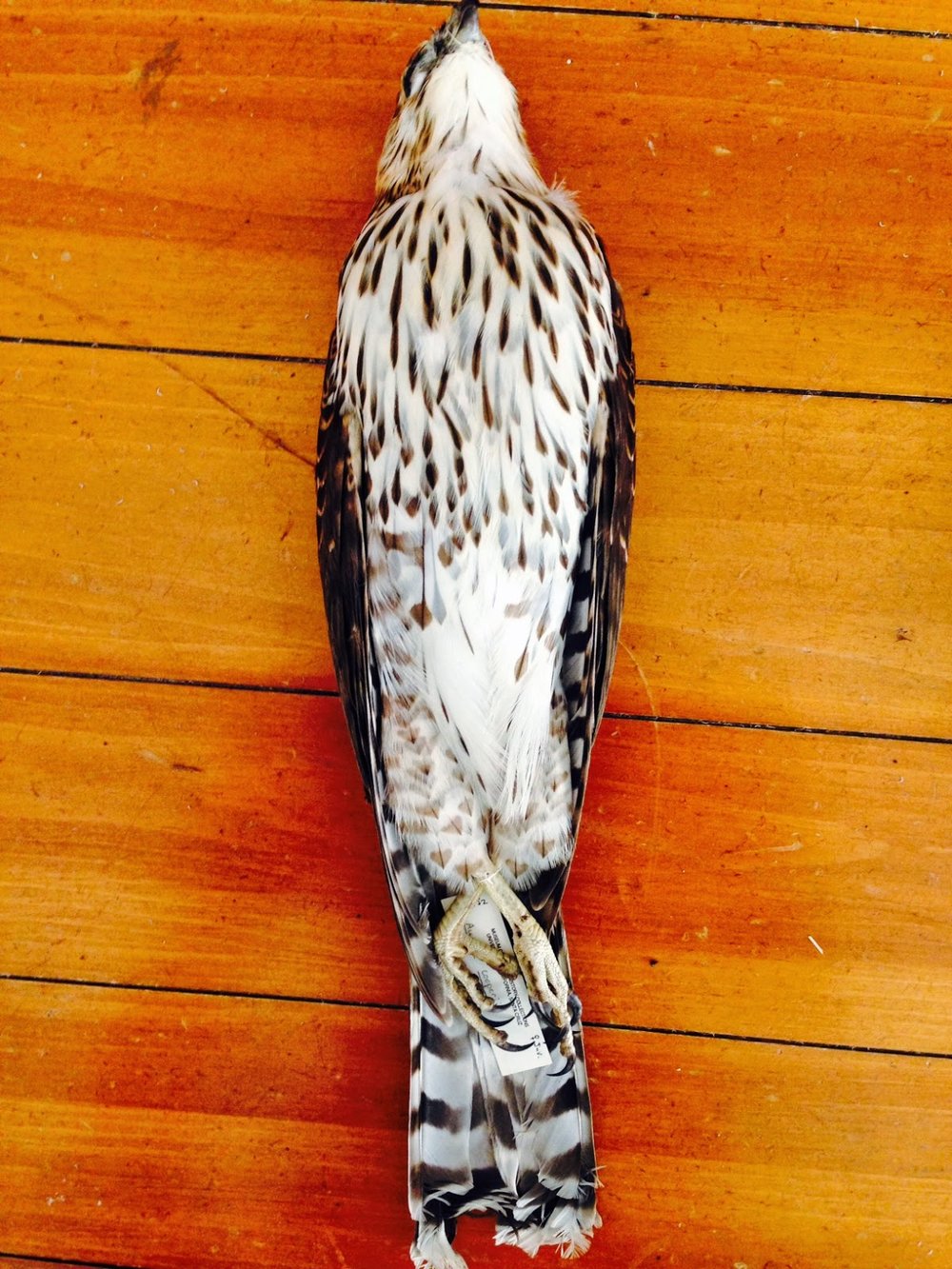 |
| Front view of Coop. She has huge talons for grasping her prey. The males have an orange-speckled breast |
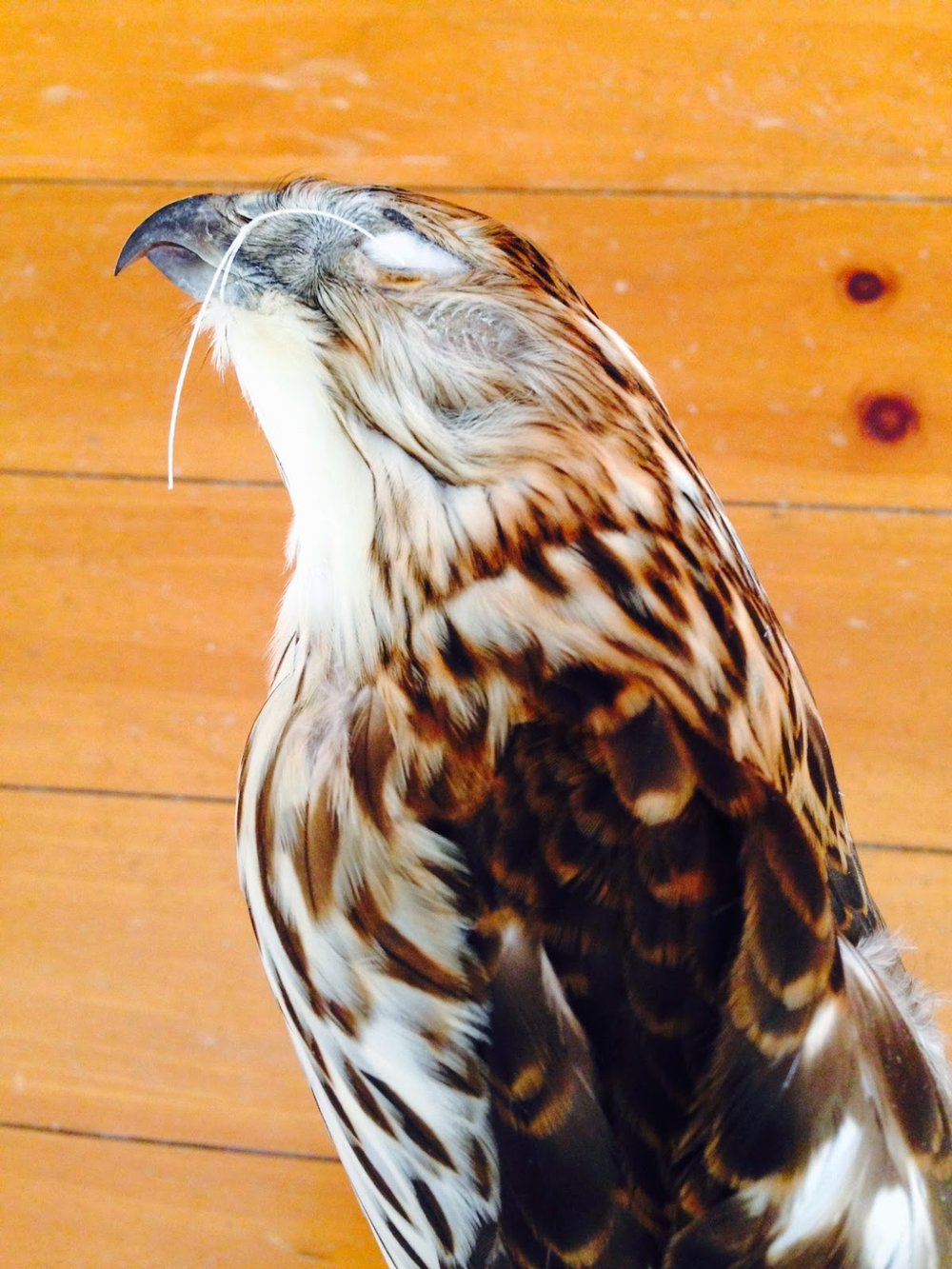 |
| A close-up of Coop's meat-eating bill |
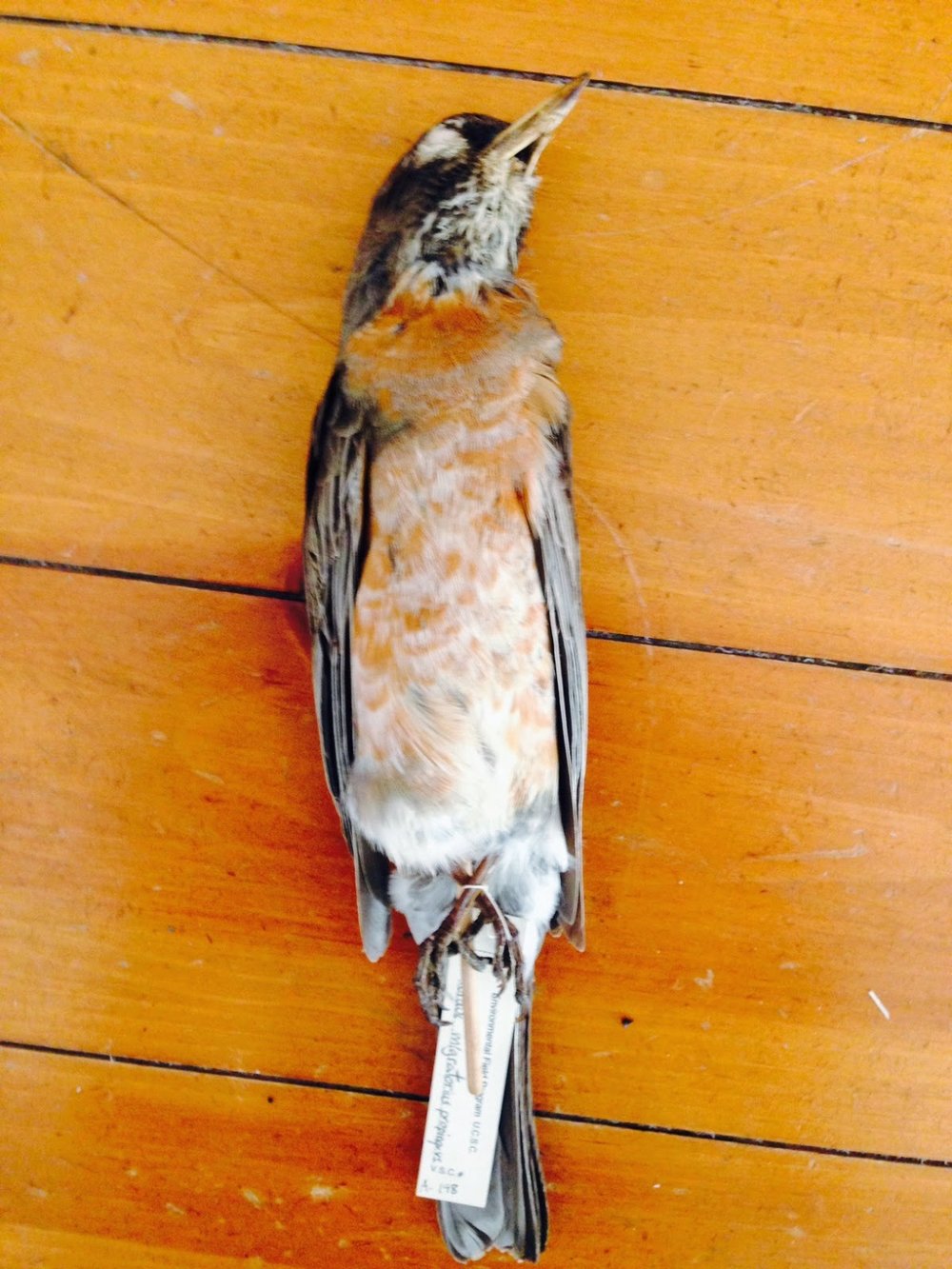 |
| Front view of Robin's orange breast and black and white throat |
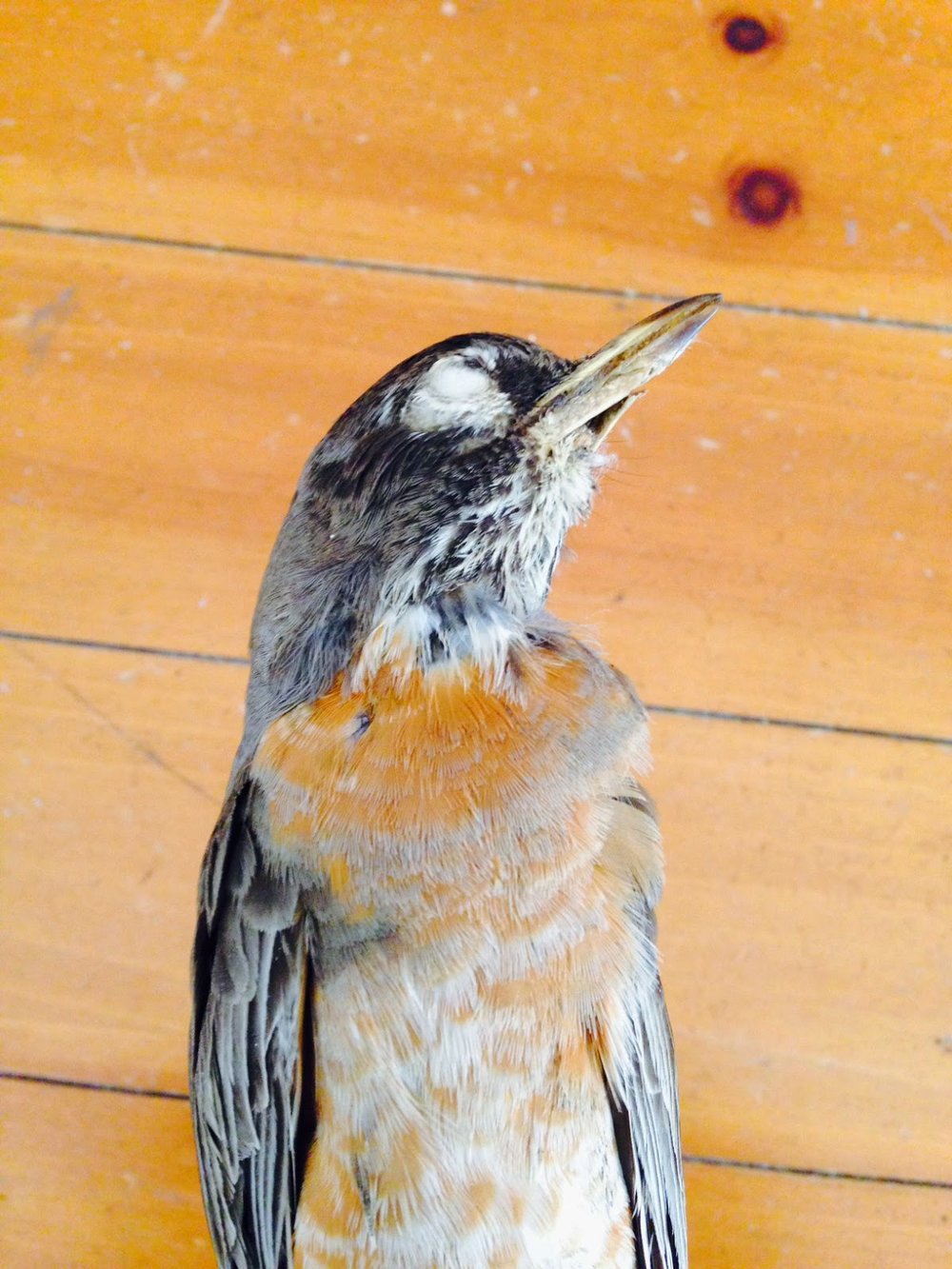 |
| Close-up of Robin's generalist bill. She can eat berries, worms, and seeds! |
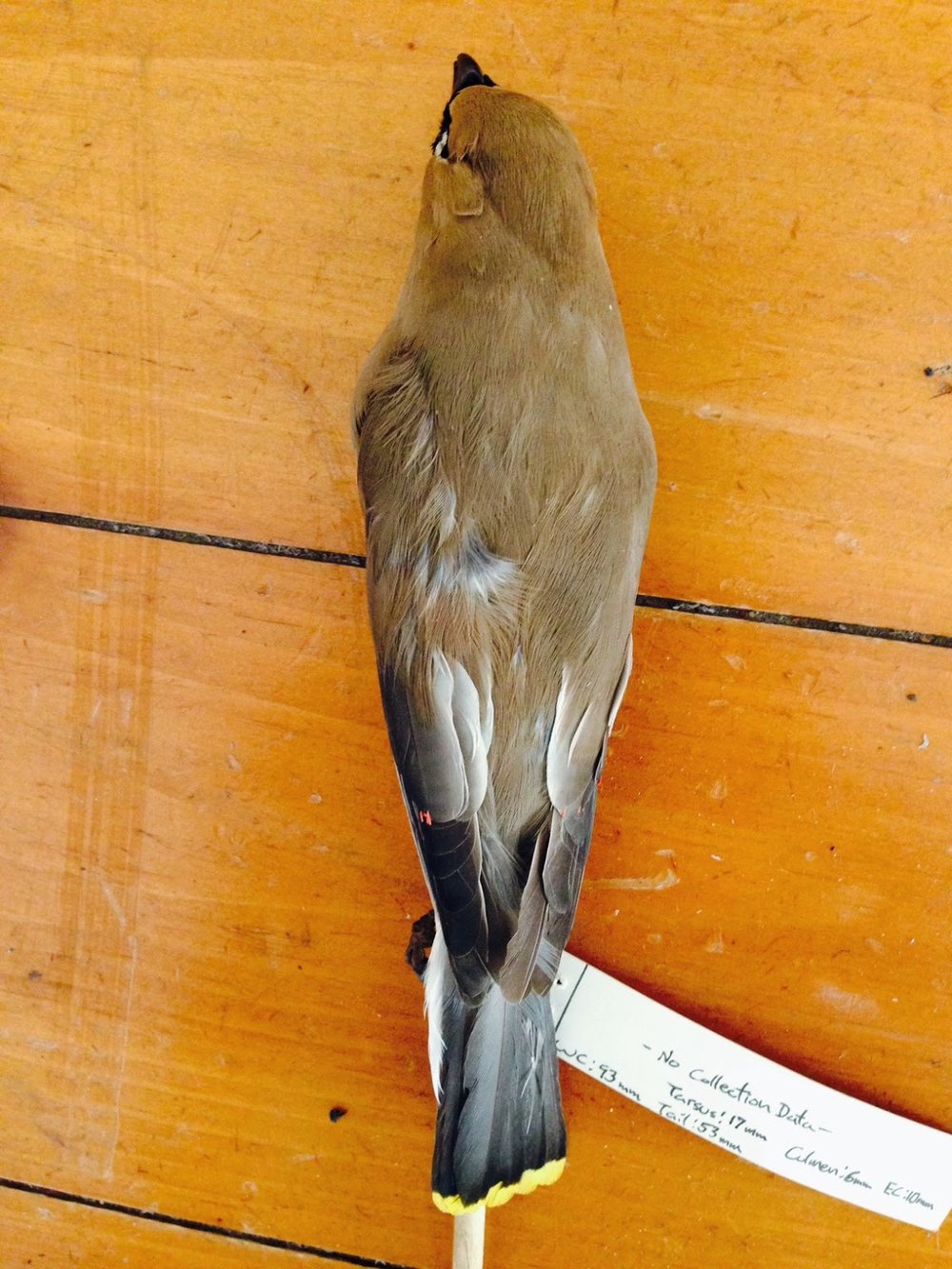 |
| Cedar's back Check out the yellow band on the tail the waxy flecks of red give it the name, Cedar Waxwing |
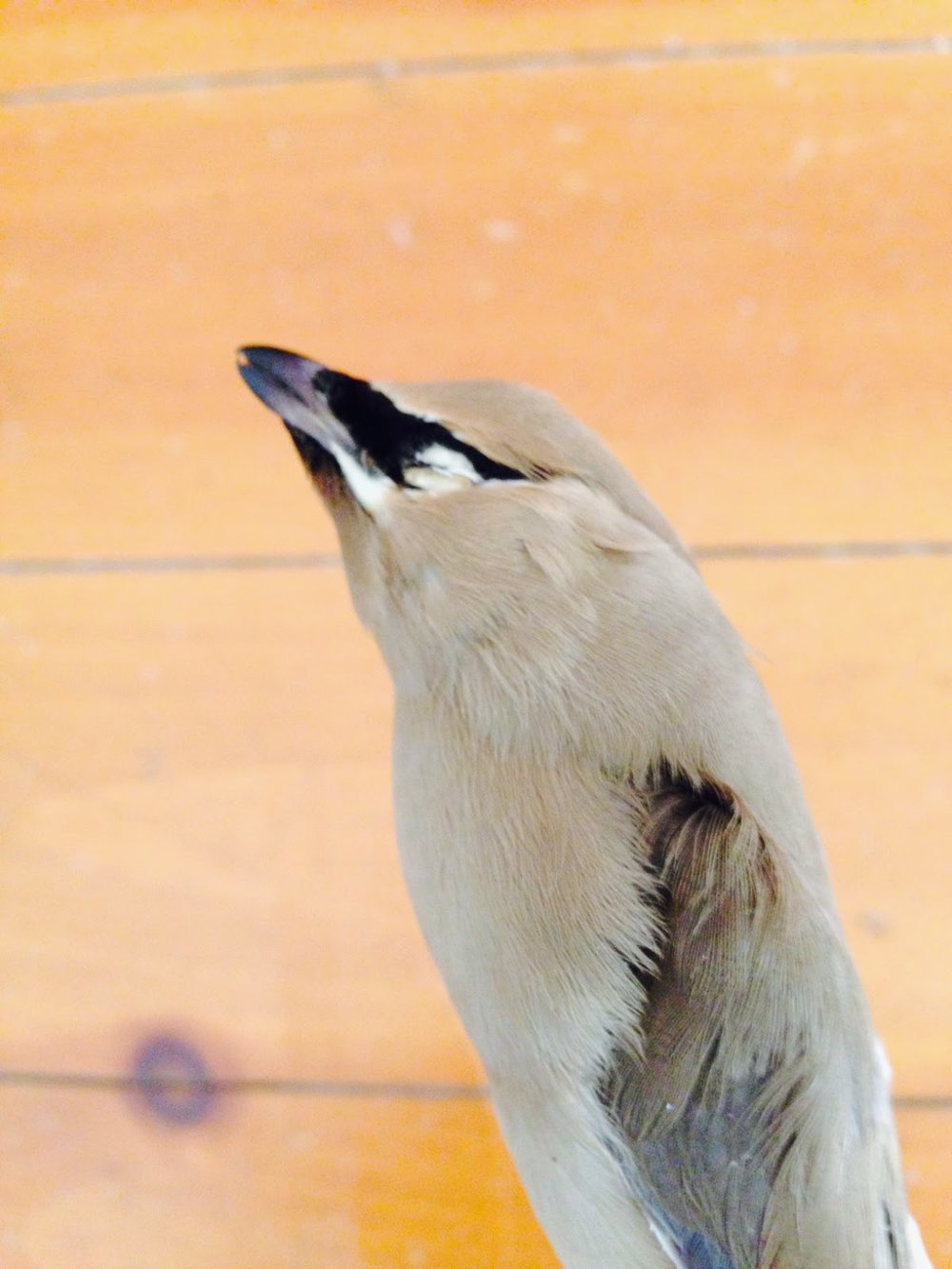 |
| A close up of Cedar's black eye-mask and the shorter generalist bill. Cedar eats berries and insects |
Finally, in other news, the Bird School Project was featured in the Huffington Post blog for our grant award from the pollination project! This is huge news for us! Please check out the article and if you have worked with us, leave a comment on the article about the work we are doing! Check out the article here.