
Bird School Project has worked with Interns and Service Learners from colleges and universities in the Monterey Bay Area. Hannah is one of those students who joined us through CSUMB’s Service Learning Program and spent a semester working with our school programs. Enjoy her account of the experience and a peak into a day of the life with BSP!
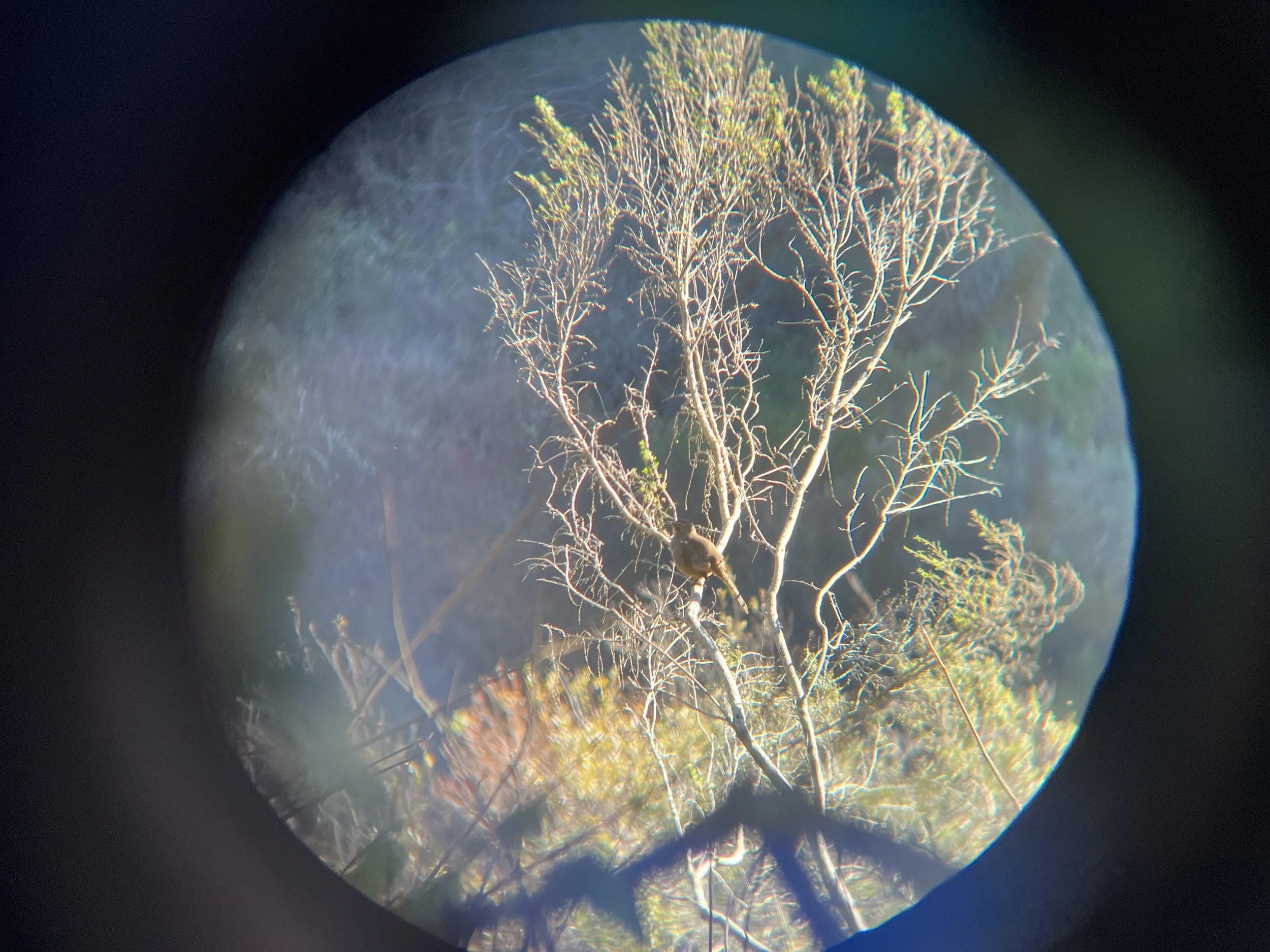
This semester at the California State University Monterey Bay, I decided to complete my service learning requirement. The purpose of this class is to integrate service activities that focus on community needs and address topics that relate to environmental and human rights issues. Per the requirement, students choose a service learning partner, which is typically a nonprofit where time is being volunteered. With lots of various organizations to choose from, I found The Bird School Project through a career fair at CSUMB and decided to work with them. The Bird School Project drew me in with their mission to connect students in the Monterey area to their local environment by inspiring and equipping them with the proper tools to identify bird species in their own backyard. I really liked the idea of working primarily with middle schoolers and receiving teaching experience. Bird School Project also operates during typical school hours and was able to be flexible with my schedule, while also giving me enough hours for the work needed. I also thought this would be a great opportunity to learn the common bird species in the area.
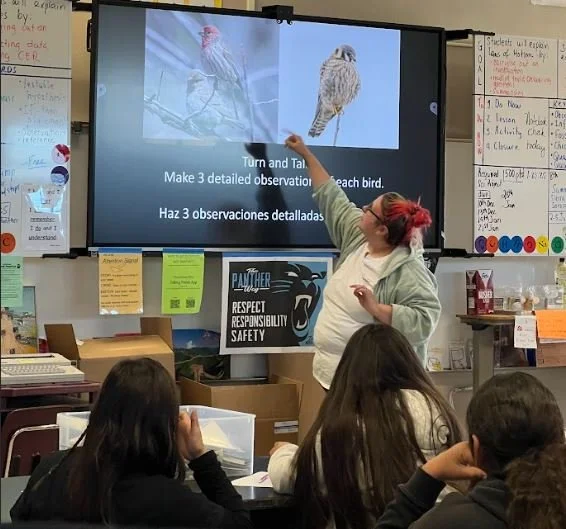
BSP Instructor Evalina leading students through the intro for the first lesson at LPMS
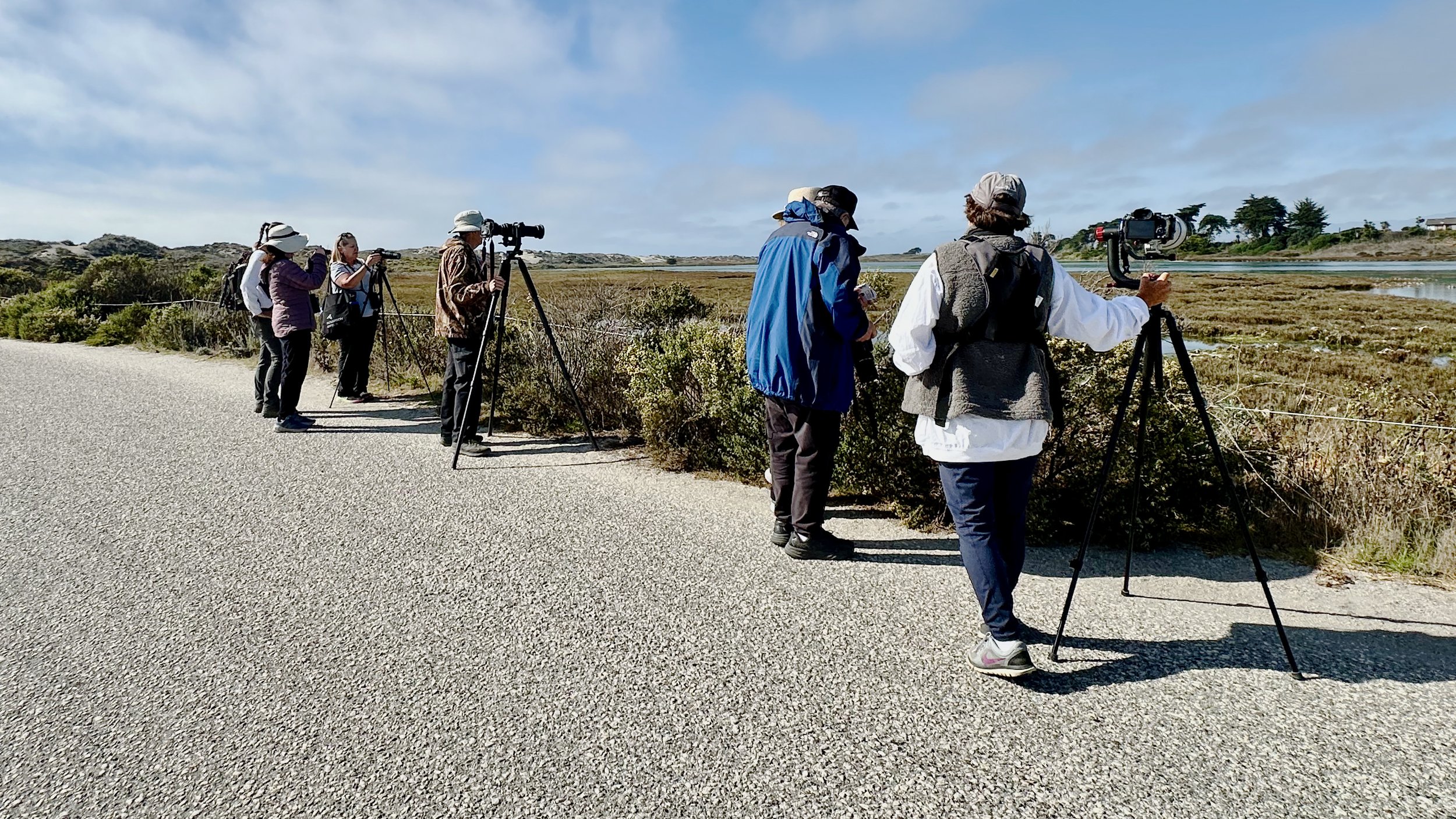
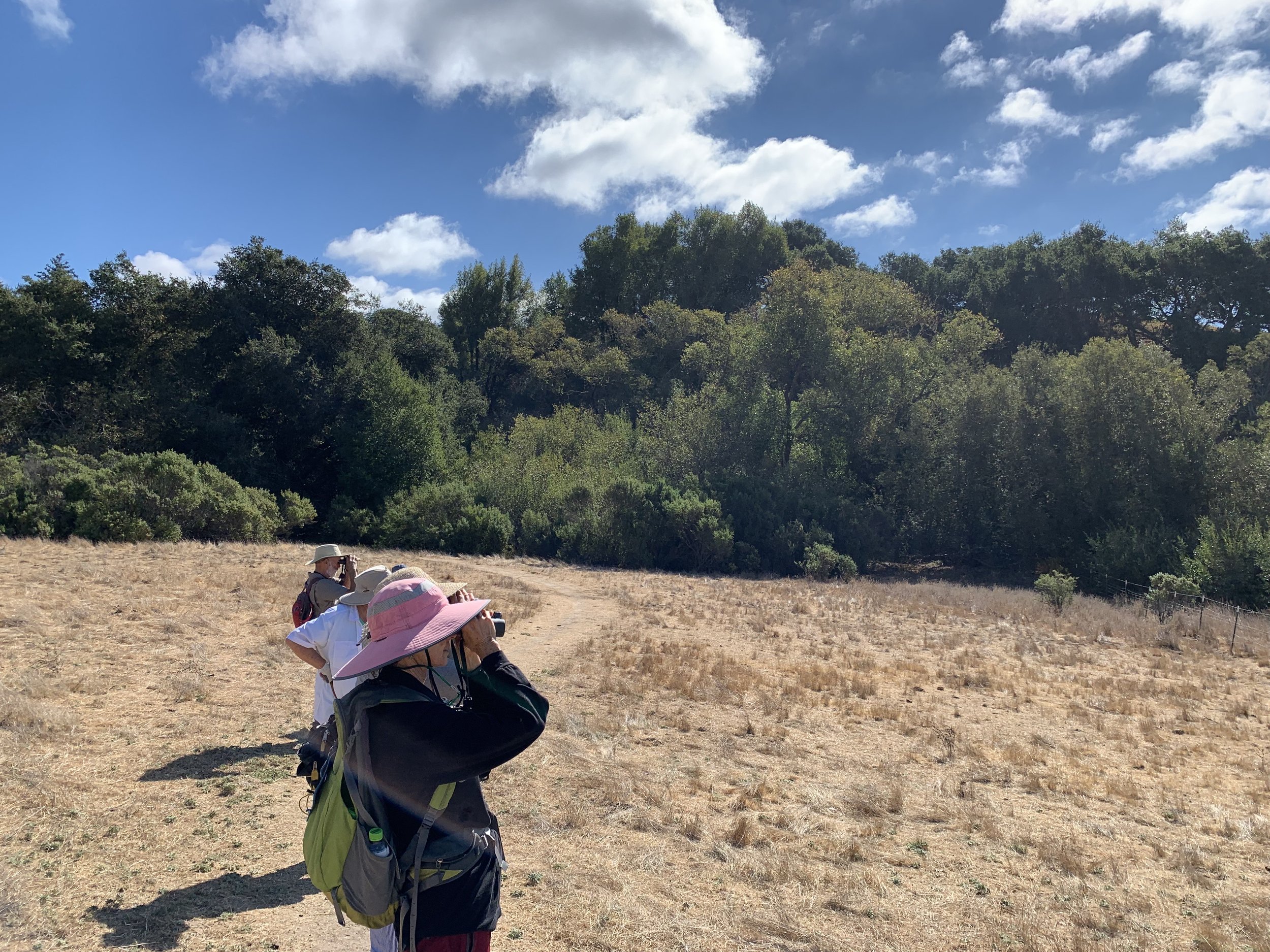
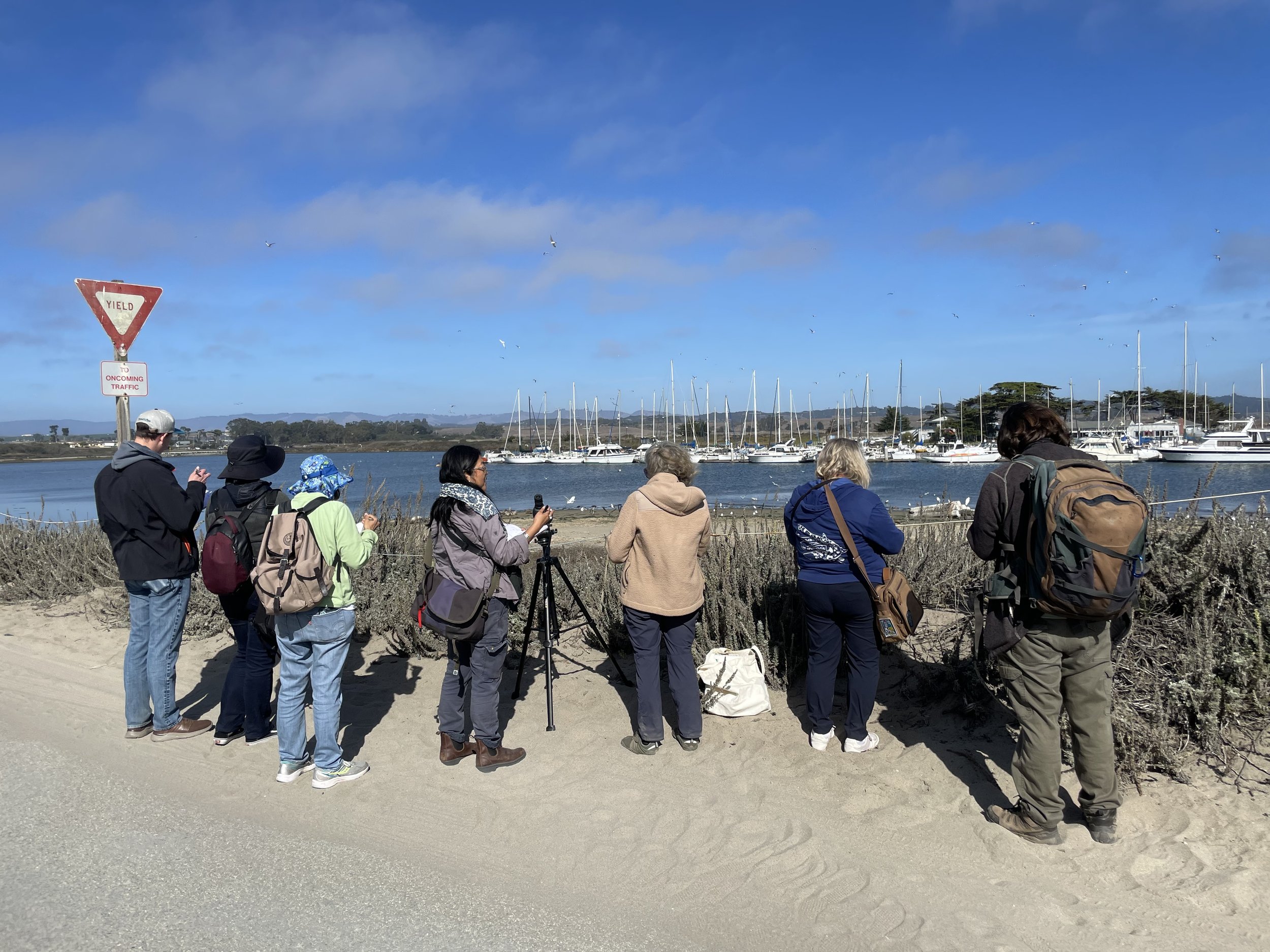
A typical day of volunteering for the Bird School Project started with finding the classroom that we were assigned to for the day. Once found, we would rotate through the various periods that way each group of students had the opportunity to participate. One of the Bird School teachers would then introduce the organization and let the students know what they were going to be doing for the rest of the day. I would help hand out binoculars and demonstrate how to use them. Something that I hadn’t thought of previously was the fact that most of these kids had never used binoculars before and didn’t know the correct way to focus them. Some would even have to be told that the binoculars were upside down. Once they figured out how to use them, they were fascinated by them. It could be that the binoculars are one of the first scientific tools they’ve used and I enjoyed realizing that I was a part of this. After the students received their binoculars, we put the students into two different groups and headed out for a nature walk through the school. We made stops whenever there were birds and let the kids look through their binoculars and make observations about them. I helped the other instructors ask questions such as “what do you think this bird is doing?”, or “what color is this bird?”. The kids most likely were too young to understand that making observations is part of the scientific method and that these skills are incredibly important, especially if they want to pursue a career in STEM. The Bird School Project provides field guides of common bird species in the area so that the kids can try to identify them. Instead of pointing out exactly which species we were viewing, the instructors gave the kids the space to question which it was. Sometimes the students would disagree on the species, while trying to identify it and would make arguments for why they are correct. I think that was a great way to build their creative thinking skills and focus on the details.
Overall, it was an incredible experience getting to aid in teaching these kids the importance of birding and being in connection with the outdoors. I hope that when these students take a walk in their neighborhoods and see a bird, they start asking questions and think more deeply about animals and nature. The Bird School Project does a phenomenal job cultivating curiosity in students, and inspiring them to have a love for birds. I enjoyed my time with them, and was very grateful for the opportunity of completing my service learning requirement with them.
-Hannah Wer